
A clearer timeline for homeowners starting a custom build in Bethesda
New construction feels like a clean slate—until you realize how many “small” decisions must be finalized early to prevent expensive changes later. If you’re at the beginning of a build or major renovation in Bethesda, Maryland, the most helpful question isn’t “What finishes do I like?” It’s “What must be decided before plans are finalized, permits are filed, and trades are scheduled?”
This guide maps the moments when a professional design partner adds the most value: preventing rework, coordinating selections with the construction schedule, and translating lifestyle needs into buildable details—without waiting until everything is framed and costly to adjust.
Quick takeaway
The best time to bring in a design partner is before the plans are finalized—ideally at schematic design or design development—so layouts, elevations, and core specifications can be aligned with how you actually live.
Why timing matters more than taste
Most homeowners assume design decisions happen after framing: paint colors, furniture, and “finishing touches.” In a custom home, many of the decisions that protect your budget and your sanity are locked in much earlier:
Early-phase choices that shape the entire build
Layout + flow
Room sizing, traffic paths, door swings, sightlines, and storage strategy.
Kitchen + bath planning
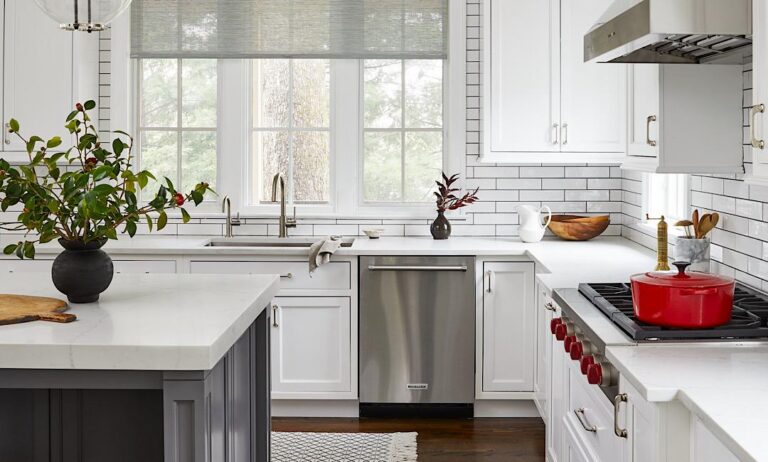
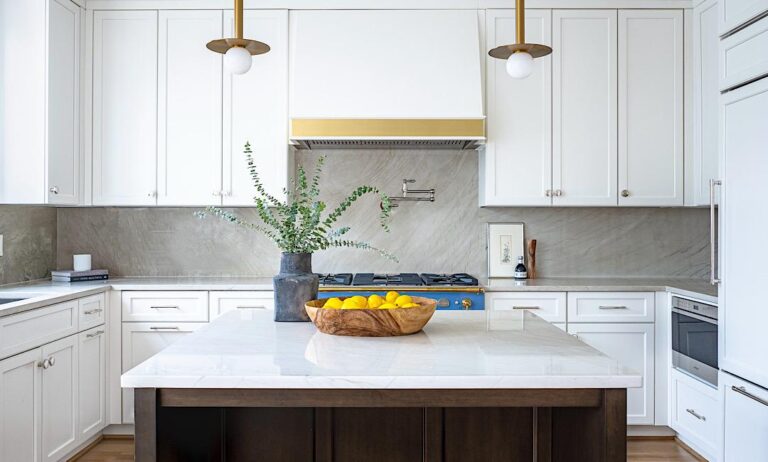
Cabinet layouts, appliance sizing, clearances, plumbing locations, and lighting intent.
Electrical + lighting planning
Receptacle placement, switch locations, layered lighting, and built-in features that require power.
Long-lead specifications
Windows, exterior doors, cabinetry, and appliances—items that can delay the project if selected too late.
The 4 best moments to bring in a design partner (with what gets decided)
1) Before plans are finalized (schematic design)
This is when you can still move walls on paper—not with demolition. A design partner helps translate lifestyle into a plan: mudroom function, pantry strategy, homework zones, aging-in-place considerations, guest suite privacy, and storage that matches real routines.
Decisions to aim for:
Basic room sizes, adjacency, preliminary kitchen footprint, and early window/door intent.
2) During design development (before permits + bids)
Plans become specific: ceiling details, millwork intent, fireplace surrounds, built-ins, and key elevations. This phase is where clarity protects you during bidding—fewer allowances and fewer “we’ll figure it out later” gaps that show up as change orders.
Decisions to aim for:
Kitchen layout, appliance sizes, bathroom layouts, and early finish direction.
3) Before rough-ins (framing + MEP coordination)
Once framing and mechanical/electrical/plumbing rough-ins start, changes can snowball. A design partner helps coordinate lighting plans, switch placement, plumbing locations, and the “invisible” details you feel every day—like where you charge devices, where you want art lighting, or how you want bedside controls to work.
Why it matters:
Electrical standards include receptacle spacing rules in living areas, and kitchens require thoughtful planning for safe, functional placement.
4) Before ordering long-lead items (to protect the schedule)
Even in calmer supply-chain years, custom builds depend on ordering at the right time. Windows, exterior doors, and cabinetry can carry multi-week lead times, and delayed cabinetry can cascade into countertop templating, plumbing finish, and final inspections.
Decisions to aim for:
Final window/door schedule, cabinet design approvals, appliance specs, and lighting fixture direction.
Did you know? (Fast facts that prevent layout regrets)
Kitchen clearances affect daily ease
Kitchen planning guidelines commonly recommend minimum walkway widths of around 36 inches and work aisles of around 42–48 inches, depending on how many cooks use the space.
The “work triangle” still matters—when it fits your lifestyle
Many kitchen planning standards reference a total travel distance (work triangle) that shouldn’t be excessive, plus guidance for avoiding major traffic crossing through it.
Cabinet timing can control the entire finish schedule
Cabinet delays often hold up countertops, plumbing finish, and electrical completion—creating weeks of downstream impact.
Step-by-step: a homeowner’s pre-construction checklist (sequenced)
Step 1: Define “how you live” before choosing finishes
List your non-negotiables by routine: weekday mornings, entertaining, pet needs, work-from-home privacy, sports gear storage, and how you actually use the kitchen. This becomes the filter for every layout decision.
Step 2: Lock the layout and key elevations
Confirm furniture-scaled room sizes, door swings, window heights, and built-in locations. If you want millwork (mudroom benches, library shelving, fireplace built-ins), plan it now so electrical, blocking, and lighting can be coordinated cleanly.
Step 3: Make kitchen and bath decisions early enough for ordering
Decide on cabinet style direction, appliance sizes, and fixture “families” (not every SKU, but a coordinated plan). Use recognized planning guidelines as a baseline for clearances and landing areas, then customize for your household.
Step 4: Coordinate lighting and electrical as a lifestyle plan
Think in layers: ambient, task, accent, and decorative. Then map controls: which switches belong at which doors, bedside, or kitchen entries. This is also when outlet planning matters; code requires minimum receptacle spacing in many rooms, but great homes go beyond minimums for convenience.
Step 5: Build a “long-lead” procurement plan with your builder
Ask, in writing, who orders what—and when. For many builds, windows/exterior doors and cabinetry are among the biggest schedule drivers. Plan selections early enough to avoid holding up the dry-in and finish phases.
Quick timeline table: what to decide and when
| Build Phase | Key Decisions | Why It’s Time-Sensitive |
|---|---|---|
| Schematic design | Layout, room sizing, storage strategy | Changes are easiest (and cheapest) on paper |
| Design development | Kitchen/bath planning, elevations, built-ins | Clarifies the scope before bids and permits |
| Framing + rough-ins | Lighting plan, outlets/switches, plumbing locations | Missteps become rework behind walls |
| Ordering / procurement | Windows/doors, cabinetry, appliances, key fixtures | Lead times can stall the schedule if delayed |
Bethesda, Maryland local angle: what makes planning here feel different
Bethesda builds often involve tight timelines, high expectations for craftsmanship, and coordination across architects, builders, and specialty trades—especially for major renovations and custom homes. That makes early selection planning and documented decisions especially valuable. When multiple teams are moving quickly, a unified set of specs, finish intent, and lighting/electrical plans reduces “pause points” where trades wait for answers.
If your project touches older homes (common throughout the Bethesda area), expect to spend extra time on field verification, integrating new systems with existing conditions, and making choices that balance character with modern function.
Explore renovation + new construction support View project examples
Ready for a smarter start?
FAQ
Is it too early to get help if I only have preliminary plans?
That’s often the best time. Early input can improve layout, storage, and window/door intent before details are locked and pricing is underway.
What decisions typically cause the biggest delays?
Items with long lead times—commonly windows/exterior doors and cabinetry—can stall the schedule if not selected and ordered in time.
Do I need all my finishes chosen before construction starts?
Not every finish, but you do need the decisions that drive rough-ins and ordering: kitchen/bath layouts, appliance sizes, key plumbing locations, lighting intent, and window/door specifications.
How do I make sure my kitchen layout is functional, not just pretty?
Start with clearances and work zones. Many kitchen planning standards recommend minimum walkway/work-aisle dimensions and guidance for work-center distances; use those as a baseline, then tailor to how your household cooks and gathers.
What’s the biggest “hidden” regret homeowners mention after move-in?
Lighting and electrical planning. People notice daily when a room lacks layered lighting, outlets are inconvenient, or switches aren’t where you naturally reach. Minimum code requirements are a starting point, not a lifestyle plan.
Glossary
Design development
A phase where plans become detailed enough to coordinate elevations, key selections, and specifications—often before permits and final pricing.
Rough-in
The stage when electrical, plumbing, and HVAC are installed in the walls/ceilings before insulation and drywall.
Long-lead item
A product that requires weeks (or months) between ordering and delivery—commonly windows, doors, cabinetry, and certain appliances.
Work aisle / walkway (kitchen)
Recommended clearance zones that help kitchens function safely and comfortably, especially around islands, sinks, ranges, and refrigerators.
Note: Building codes and permitting requirements vary by jurisdiction and project conditions. Coordinate decisions with your licensed builder and local officials for your specific address and scope.