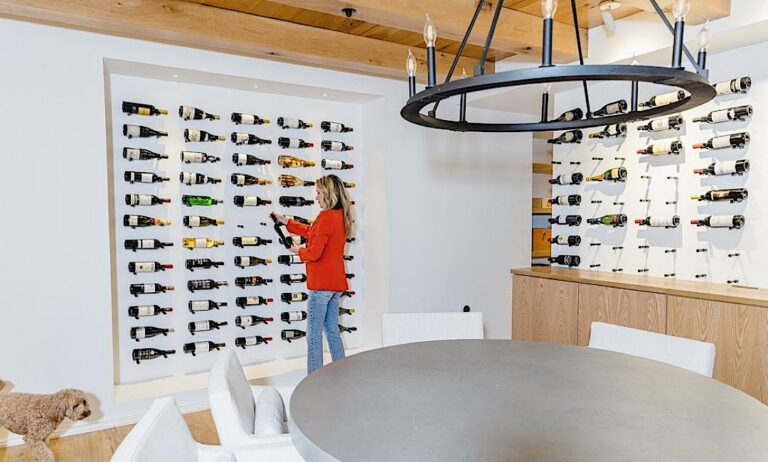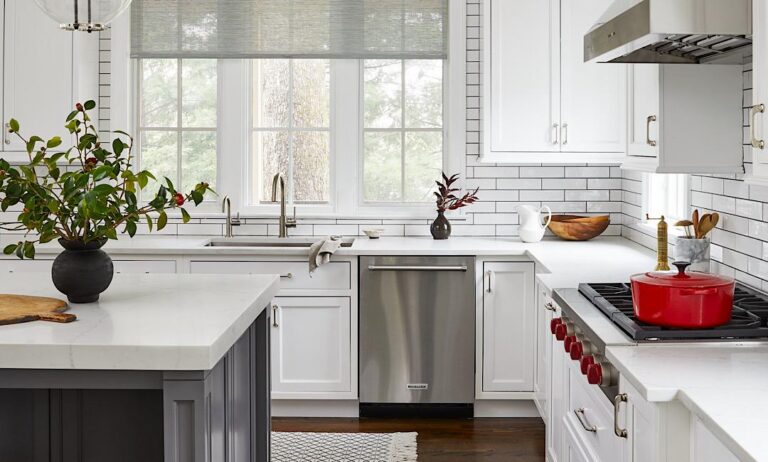

A practical guide for design center decisions—without the regret later
Design center appointments can feel like a rapid-fire quiz: choose your finishes, pick your “options,” sign off on upgrade lists—then hope you didn’t miss something expensive to change later. If you’re building in the Bethesda area, the smartest approach is to separate selections into two buckets: (1) items that are easiest/cheapest to do with the builder and (2) items you can safely upgrade after closing. This checklist helps you protect your budget, keep your home livable from day one, and still get a polished, high-end result.
Helpful starting point checklists exist, but your best decisions come from understanding what’s “locked in” behind walls and under floors versus what’s easy to swap later.
How to use this checklist (fast)
Rule #1: Prioritize structural + behind-the-walls decisions (layout, electrical, plumbing rough-ins, blocking, HVAC-related choices).
Rule #2: If it requires demolition to improve later, it usually belongs in your builder package (even if you choose a “basic” finish now).
Rule #3: If it’s decorative and easily replaced (light fixtures, hardware, mirrors), consider doing it after closing—unless the builder pricing is truly competitive.
Rule #4: Spend for function first (lighting, outlets, storage), then elevate the finish where it shows most (kitchen + primary bath).
Builder upgrades worth doing now (the “hard to change later” list)
1) Electrical plan upgrades (high ROI for daily living)
Focus on layout and capacity, not decorative fixtures. Ask for:
- Extra outlets where furniture will block walls (sofas, nightstands, kitchen island seating)
- Dedicated circuits where needed (microwave drawer, beverage fridge, bidet outlet, garage fridge)
- Ceiling boxes for future fixtures (dining table centered, bedrooms, outdoor covered areas)
- Prewire for under-cabinet lighting and toe-kick lighting (kitchen is where you’ll feel it most)
- Exterior outlets and a well-planned holiday light switch (simple, but life-changing)
2) Low-voltage + futureproofing
Even if you’re mostly wireless, consider a few strategic “future you” decisions:
- Conduit runs for flexibility (TV walls, office, and a central hub/closet)
- Prewire for ceiling-mounted Wi‑Fi access points (larger homes, basements, and outdoor areas benefit)
- Doorbell and exterior camera prewire (clean install, fewer patch jobs later)
3) Plumbing rough-ins + smart bath planning
Changing plumbing locations later is one of the most expensive “why didn’t we…” moments. Think through:
- Shower valve placement (make sure it’s reachable without getting drenched)
- Optional handheld + rain head rough-in (even if you choose a simple trim now)
- Laundry sink, upstairs laundry plumbing, and gas/electric dryer choice
- Water line to refrigerator and a pot filler only if you truly cook that way
4) Framing + backing (tiny cost now, huge benefit later)
Request blocking/backing for:
- Wall-mounted TVs + soundbar areas
- Floating vanities (if you might want them later)
- Heavy drapery rods and large art installations
- Grab bars (even if you don’t need them now—this is a smart “aging in place” move)
Upgrades you can often do after closing (and save money)
These categories are typically easier to swap without messy demolition—so you can choose “builder basic,” close on time, then elevate at your own pace:
- Pendant lights, chandeliers, and most decorative sconces (keep the electrical locations, upgrade the look later)
- Cabinet hardware (a high-impact, low-lift change)
- Mirrors, towel bars, toilet paper holders, and most accessories
- Closet systems (unless the builder offers a truly customized package you love)
- Feature wallpaper and statement paint (wait until you see how your natural light behaves)
Kitchen + bath finish choices that read “high-end”
If you’re deciding where to allocate finish dollars, prioritize surfaces you touch every day and see from multiple sightlines.
Countertops: choose durability first, then pattern
Quartz remains a go-to for many homeowners because it’s consistent and low maintenance, and industry trend reporting continues to point to quartz staying highly popular in the years ahead.
Want a seamless, elevated look? Full-height slab backsplashes (often matching the countertop) are trending because they reduce grout lines and feel more custom.
Backsplash: go taller than you think
Full-coverage backsplashes (running to uppers or hood areas) are increasingly common and deliver strong visual payoff.
Cabinetry: spend on layout and storage, not just door style
Upgraded storage (trash pullouts, tray dividers, deep drawer stacks, and smart corner solutions) usually improves daily function more than a pricier door profile.
Did you know? Quick facts to keep you confident at the design center
- Many backsplash decisions are shifting toward fewer grout lines and more continuous surfaces for easier cleaning.
- Quartz is still forecast by industry trend reporting to remain a dominant countertop choice for years, making it a “safe” option if resale is on your mind.
- A checklist is helpful, but sequencing matters: pick layout + rough-ins first, finishes second.
Step-by-step: Your design center game plan
Step 1: Bring a “furniture + lifestyle” floor plan
Mark where the sofa, beds, nightstands, desks, and dining table will go. This single page helps you decide outlet placement, lighting locations, and how wide walkways should feel.
Step 2: Lock in electrical + lighting locations before selecting fixtures
Pay for the right boxes in the right places. Then, later, upgrade pendants/chandeliers on your own timeline.
Step 3: Choose “quiet luxury” fixed finishes that age well
Floors, counters, and tile should be durable and flexible with multiple styles. Save trend-forward color for paint, pillows, art, and styling (easy to refresh).
Step 4: Ask for samples—and view them in your lighting
Builder showrooms can have very different lighting from your actual home. If you can borrow samples, check them morning, afternoon, and evening near windows and under warm bulbs.
Quick comparison table: Builder vs. after closing
| Category | Best to do with builder? | Why it matters |
|---|---|---|
| Outlet locations, ceiling boxes, circuits | Yes | Hard to change later without opening walls |
| Plumbing rough-ins / valve placement | Yes | Costly to move after tile + drywall are installed |
| Decorative light fixtures | Often no | Easy swap later; prioritize locations instead |
| Cabinet hardware | Usually no | High impact, low labor, flexible style upgrade |
| Backsplash height/material | Depends | Can be messy later; full-height looks custom and is trending |
Bethesda, Maryland, local angle: plan for how you actually live
Bethesda-area households often balance busy schedules, entertaining, and multi-use spaces (WFH, homework zones, guests). The design center is your chance to bake in livability:
- Add a real drop zone near the garage entry (charging drawer/outlet, hooks, durable flooring)
- Upgrade lighting layers (recessed + task + ambient) so your home feels warm at night—not flat
- If you’re considering EV charging, ask early about panel capacity and a garage outlet/rough-in so you’re not reopening finished surfaces later
Note: Maryland has specific requirements for certain EV charging equipment offered to consumers, including registration rules for some chargers (more relevant to public/commercial charging than a typical private garage install, but it’s a reminder to plan early and confirm what applies to your project).